Leave a Message

Thank you for your message. We will be in touch with you shortly.

Explore Our Properties

Relocating From Austin to Horseshoe Bay: What To Know

January 1, 2026

Thinking about trading Austin traffic for lake breezes and tee times? If you are eyeing Horseshoe Bay, you are not alone. Many Austin move‑up buyers and empty‑nesters choose this Highland Lakes community for its relaxed pace, resort amenities, and room to breathe. In this guide, you will learn how the commute works, what memberships look like, where to find daily services, and how to plan your move with confidence. Let’s dive in.

Why Horseshoe Bay appeals

Horseshoe Bay is a small, resort‑oriented city on the shores of Lake LBJ. It blends golf, boating, and low‑density neighborhoods with both full‑time households and second‑home owners. If you want larger lots, quieter streets, and water access, you will find many options.

Lakefront and resort‑proximate homes often command premiums. Interior neighborhoods away from the shoreline tend to be more affordable. For up‑to‑date pricing, days on market, and inventory, consult recent local MLS data or trusted regional market sources.

Commute and transportation

Drive time and distance

From central Austin to Horseshoe Bay, you can expect roughly 45 to 60 miles one way, with typical drive times between about 50 and 90 minutes depending on route and traffic. Peak Austin travel hours can extend your commute. Before you commit, run route checks at your usual travel times to see realistic durations from your exact address.

Part‑time living patterns

Many residents choose a hybrid approach. Weekly commuting is possible, though tiring for some. A common pattern is to work in Austin two to three days per week and spend extended weekends at the lake. Others keep Horseshoe Bay as a weekend home and rotate monthly or seasonally.

Practical travel tips

  • Consider keeping a vehicle at each home, or plan shared use and scheduled trips.
  • Factor fuel, tolls, and vehicle wear into your budget.
  • There is no direct commuter rail between Austin and Horseshoe Bay. Travel is primarily by car.
  • For flights, Austin‑Bergstrom International Airport is the closest major option.

Clubs and lifestyle

Resort membership basics

Horseshoe Bay Resort is the hub for golf, marinas, dining, and social events. Memberships vary by tier, including social and dining, golf, and marina access. Availability, initiation fees, and monthly or annual dues change over time, and popular offerings like marina slips can have waitlists. Ask for a current, written fee schedule and wait times before you decide.

Seasons and social calendar

Summer and holiday weekends are the busiest on the lake and across the resort. Off‑season months are quieter and a good time to experience daily life without crowds. You will find golf, boating, pickleball and tennis, walking paths, and a steady mix of casual and special events. Neighborhood HOAs may also offer pools, parks, and community gatherings.

Choose the right membership

  • Start with how you plan to use the club: frequent golf and boating, or social dining and occasional play.
  • Ask about trial memberships or guest passes to test fit.
  • If a slip is important, confirm marina availability or interim options.

Daily conveniences

Groceries and retail

Expect to do most regular shopping in nearby Marble Falls, which offers full‑service grocers, pharmacies, and home‑goods stores. Llano and Burnet also provide everyday essentials. Some delivery services may be available depending on your exact address. Local markets and resort shops can handle quick needs.

Healthcare access

Primary care and urgent care are available in Marble Falls and surrounding towns. The nearest full hospital with emergency services is in Marble Falls. For specialty care and complex procedures, Austin medical centers offer broader options. If you are planning for aging in place, check in‑home care, physical therapy, and specialist availability early.

Utilities and connectivity

  • Electricity: Much of the area is served by Pedernales Electric Cooperative, though service territories can vary.
  • Water and sewer: Many neighborhoods are on municipal or utility‑district systems. Some rural parcels rely on private wells and septic systems. Confirm status during due diligence.
  • Trash and recycling: Service depends on address and HOA rules.
  • Internet and cell: Cable or fixed‑wire broadband serves many streets, but coverage varies by subdivision. Some rural areas rely on fixed wireless, satellite, or low‑earth‑orbit services. Cell coverage can be spotty near the lake and on certain roads. Always run address‑based checks and test signal at the property.

Neighborhood types and rules

Resort and lakefront

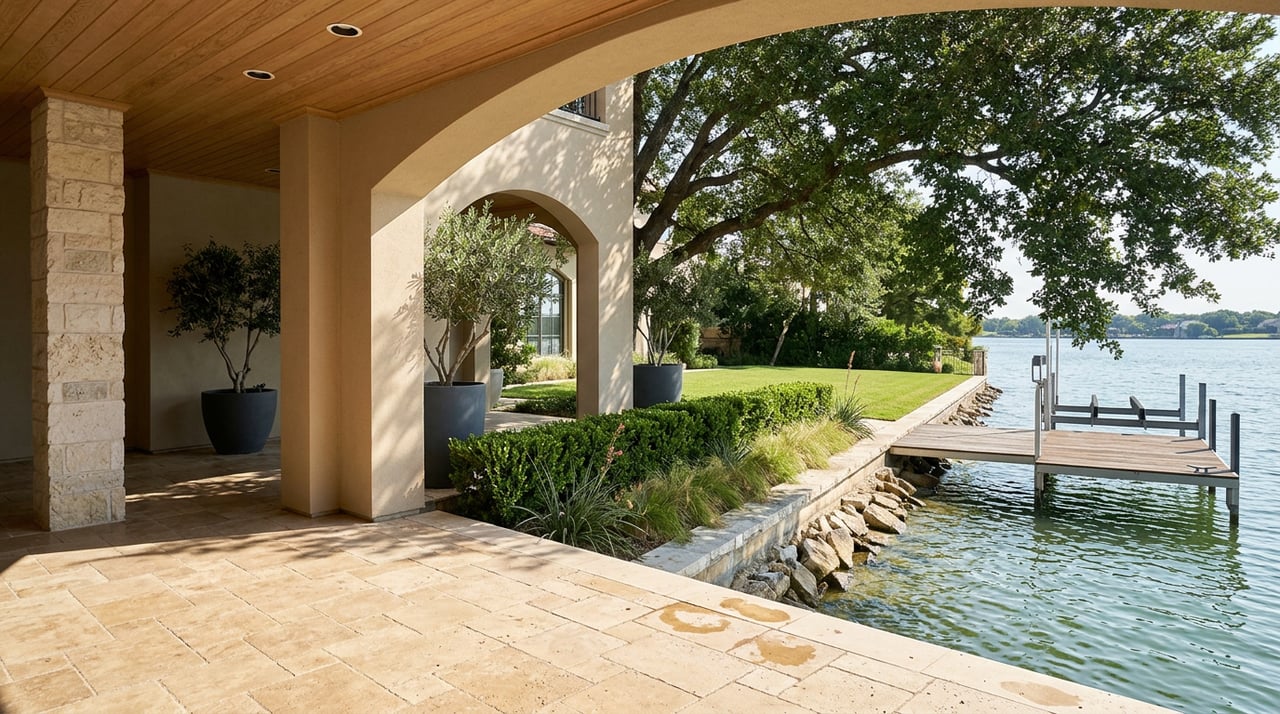
Resort and lakefront areas often come with marinas, nearby club access, and HOA covenants that shape exterior changes, landscaping, and use of docks or boat storage. These homes can offer easy access to amenities, and they may carry higher purchase prices and dues.

Suburban and rural options

Interior neighborhoods and rural pockets offer larger lots, more privacy, and fewer shared amenities. Some lie outside resort boundaries while still being in the city or nearby county areas. This can mean lower dues but greater responsibility for maintenance and utilities.

HOAs, deed restrictions, and rentals

HOA covenants can guide exterior colors, fencing, and storage, and may regulate short‑term rentals. If rental income is part of your plan, confirm the city’s rules and the HOA’s policies before you buy. Ask for recent meeting minutes and reserve studies to understand operations and future costs.

Taxes and ownership

City and county basics

Horseshoe Bay spans Llano and Burnet counties. If you are inside city limits, your property tax bill will likely include county, city, school district, and any special district assessments. Texas does not have a state income tax, so property taxes are an important ongoing cost. Review recent tax bills on comparable homes and consult the county appraisal district maps for parcel details.

Insurance and lake‑home inspections

Lakefront properties can have unique coverage needs. During due diligence, place special attention on docks, lifts, seawalls, shoreline structures, and any flood risk. Pair standard inspections with surveys, HOA document reviews, and insurance quotes so you understand total cost of ownership.

Relocation plan

3 to 6 months out

  • Visit in peak season and off‑peak to feel traffic, noise, and social rhythms.
  • Interview local agents who know resort and lakefront nuances. Ask for comps and resale considerations.
  • Explore club tiers, fees, and any waitlists for golf or marina access.
  • Check utilities and internet availability by exact address.

6 to 8 weeks out

  • Complete inspections, surveys, and HOA document reviews. Add seawall, dock, and septic or well checks as needed.
  • Confirm insurance availability and rates, especially for lakefront properties.
  • Book movers and plan vehicle logistics if you will split time between two homes.

2 to 4 weeks out

  • Set up electric, water, trash, and internet. Confirm start dates and mailbox access.
  • File change of address and update banks, insurers, and voter registration.
  • Review any vehicle registration and driver license needs if you are moving permanently.

After move‑in

  • Attend HOA orientation and join neighborhood communications.
  • Activate club membership or trials and meet neighbors.
  • Set seasonal reminders for boat care, lake levels, and storm preparedness.

Smart questions to ask

  • What are realistic door‑to‑door drive times at my work hours, both ways?
  • Which membership tier best fits my actual weekly use, and are there waitlists?
  • How reliable are internet speeds at this address, and what backup options exist?
  • What are the HOA’s rules on exterior changes, storage, and short‑term rentals?
  • What do recent tax bills look like for similar homes on this street or cove?
  • Are there any known shoreline or dock maintenance needs tied to this property?

Ready to compare neighborhoods, club options, and true door‑to‑door commute times? Let’s make a clear plan that fits your lifestyle and budget. Schedule a Consultation with Martha Stclair to start your Horseshoe Bay move with confidence.

FAQs

How far is Horseshoe Bay from central Austin?

  • It is roughly 45 to 60 miles one way, with typical drive times between about 50 and 90 minutes depending on route and traffic.

Is daily commuting to Austin realistic from Horseshoe Bay?

  • It is feasible for some, but many prefer a hybrid schedule. Commuting two to three days a week and working remotely the rest often works best.

Where will I shop for groceries and essentials near Horseshoe Bay?

  • Most residents use Marble Falls for full‑service grocers, pharmacies, and big‑box retail. Llano and Burnet offer additional options.

What healthcare options will I have nearby?

  • You will find primary care and urgent care in Marble Falls and nearby towns. The nearest full hospital is in Marble Falls, with wider specialty care in Austin.

How do club memberships at Horseshoe Bay work?

  • Memberships vary by tier, including social, golf, and marina. Fees and availability change, and some options like marina slips may have waitlists. Ask for current details in writing.

Will I have reliable internet for remote work?

  • It depends on your exact address. Some streets have cable or fixed‑wire broadband, while others rely on fixed wireless or satellite. Test speeds and cell service at the property.

What should I know about HOAs and short‑term rentals?

  • Many neighborhoods have covenants that govern exterior changes, storage, and rental rules. Review HOA documents and city rules before you buy.

How are property taxes structured in Horseshoe Bay?

  • Properties may be within Llano or Burnet counties and, if inside city limits, will also include city assessments. Expect county, city, school district, and any special district line items.

Your Journey Starts Here

From first consultation to closing day, Martha StClair is committed to making the process seamless, transparent, and rewarding. Whether you’re seeking your dream home, selling with confidence, or investing in Austin’s thriving market, Martha provides the insight, care, and strategy to help you achieve your goals.