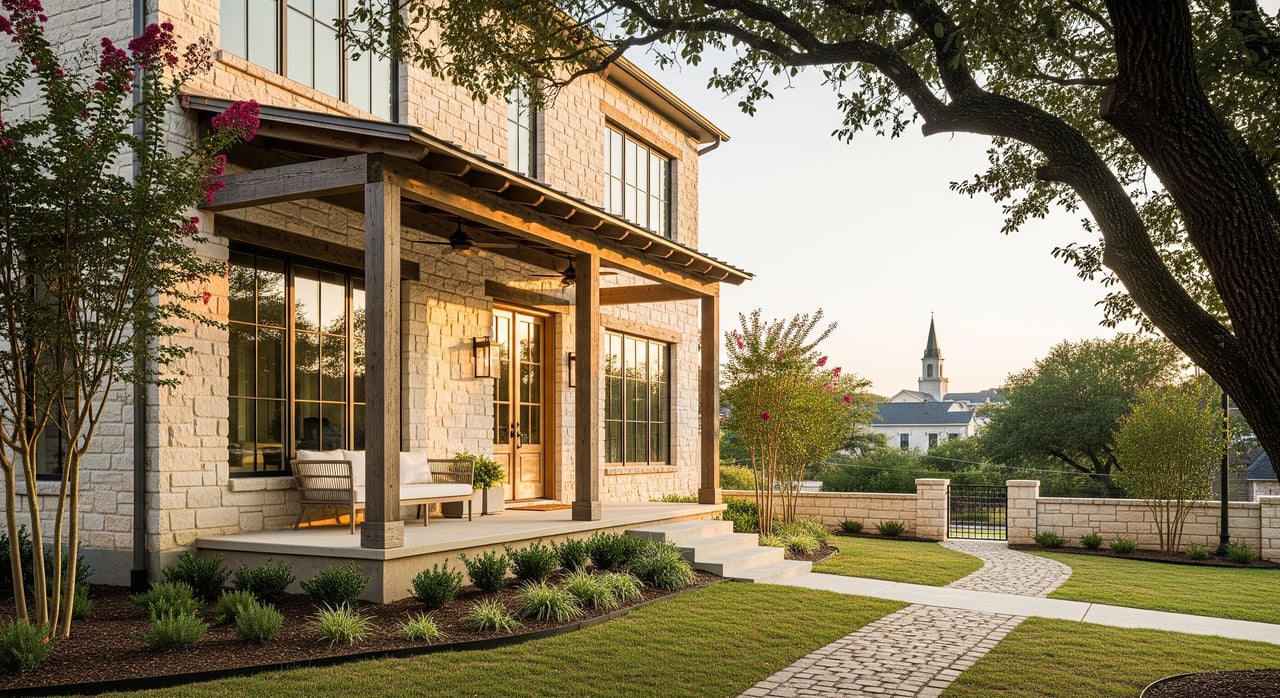
Everyday Living in Downtown Georgetown Near the Square
February 5, 2026
February 5, 2026
Picture this: you grab coffee, stroll past the courthouse, and pick up a gift or two on your way home. That is the rhythm many people love about living near Georgetown’s historic Square. If you are drawn to walkable charm but want a clear view of daily life, housing options, and trade-offs, you are in the right place. This guide breaks down what it is like to live close to the Square, from amenities and home styles to zoning, flood risk, and a practical buyer checklist. Let’s dive in.
The Square, centered on the Williamson County Courthouse, is Georgetown’s cultural and commercial heart. You will find independent shops, cafés, galleries, and services that make quick errands easy and pleasant. Sidewalks stay lively from morning coffee to evening patios.
You can expect a small-town, main-street feel with regular foot traffic and friendly storefronts. Seasonal festivals, arts events, and holiday happenings add energy and variety. The community vibe is strong, and you can enjoy it on foot.
Southwestern University sits just a few blocks away and adds campus events, arts performances, and a student and faculty presence. Explore happenings through Southwestern University and the visitor calendar at Visit Georgetown. Local merchants and programs supported by the Georgetown Main Street Program also help keep downtown active.
Near the Square, you will find a mix of boutiques, coffee shops, salons, and specialty food and gift stores. It is easy to grab lunch, meet friends, or knock out quick errands on foot.
For full grocery runs and big-box items, plan a short drive. If you want a supermarket within a 5 to 10 minute walk, verify exact store locations from any home you are considering.
Green space is close by, including the San Gabriel River corridor and small parks. Trails and riverfront areas offer easy outdoor time near downtown. For a unique nearby attraction, the show cave at Inner Space Cavern is a local favorite for visiting friends and family.
You will see a range of housing within about a mile of the Square.
Many historic properties need modernization for electrical, plumbing, insulation, HVAC, and sometimes foundations. Plan for maintenance or renovation costs, especially on older materials. Exterior changes in the historic district generally require review by the city’s preservation body, so factor timelines and approvals into your plans.
Downtown proximity usually carries a price premium per square foot compared to similar homes farther out. For current pricing, inventory, and days on market near the Square, consult up-to-date MLS data through a local advisor who tracks neighborhood-level trends.
If a property sits in the historic district, exterior alterations typically need approval through the city’s preservation process. Start by reviewing guidance from the City of Georgetown and request the current standards and application steps for design approvals.
Older homes often need updates to bring systems to today’s expectations. Budget for electrical, plumbing, HVAC, insulation, and potential foundation work. Ask for recent inspection reports and contractor estimates to clarify scope and cost.
Before re-roofing, replacing windows, or adding a porch or accessory structure, confirm whether a certificate or permit is required. Ask your agent to gather recent examples of approved changes so you understand what is likely to pass review.
Downtown’s steady visitor traffic, seasonal festivals, and nearby attractions make this area appealing for short-term rental strategies. Rules and permitting apply in Georgetown, so confirm current ordinances, registration steps, and tax requirements on the City of Georgetown site before you buy with rental income in mind.
Downtown Georgetown is roughly 25 to 30 miles north of central Austin. Drive times vary by route and time of day. Many residents commute by car.
Fixed-rail service to Austin does not run directly from Georgetown. Regional bus options may be available, but most downtown residents rely on personal vehicles. If you commute, test your route during the hours you would normally drive.
Living near the Square means you are close to restaurants, patios, and festival stages. That is part of the charm, and it can also mean louder evenings and busier weekends. Parking can tighten during big events, with many buildings depending on street or municipal lots.
Use this quick test to gauge fit:
Downtown is a mix of commercial, residential, and office uses, with historic overlays in parts of the core. Zoning and permitted uses vary by parcel. Review current maps and district standards through the City of Georgetown before purchasing, especially if you are considering a mixed-use or investment property.
Some properties near the San Gabriel River sit within designated floodplains. Check the FEMA National Flood Hazard Layer and the city’s floodplain information via the City of Georgetown. If a home is in or near a mapped flood area, get an insurance quote early in your evaluation.
Property taxes are assessed by multiple jurisdictions that change annually. For accurate figures on a specific address, review records with the Williamson County Appraisal District.
Living near Georgetown’s Square is about lifestyle fit and informed decisions. You want clear guidance on preservation rules, accurate walk expectations, and a plan for renovations or investment goals. You also want to understand when downtown premiums make sense.
With deep neighborhood expertise in Georgetown and Williamson County, Martha brings a consultative, high-touch approach backed by polished marketing and the reach of a global brand. She helps you assess property condition, navigate historic review, price strategically, and compare options within a half mile to a mile of the Square. If you are ready to explore downtown living, connect with Martha Stclair to schedule a consultation that fits your goals.
Stay up to date on the latest real estate trends.



From first consultation to closing day, Martha StClair is committed to making the process seamless, transparent, and rewarding. Whether you’re seeking your dream home, selling with confidence, or investing in Austin’s thriving market, Martha provides the insight, care, and strategy to help you achieve your goals.