Is your appraisal coming up fast? A smooth valuation can make or break your timeline, especially in Georgetown where limestone façades, slab foundations, and a mix of historic and newer homes create unique nuances. You want to protect your price, reduce surprises, and keep buyers confident. In this guide, you’ll get a clear, Georgetown-specific checklist to prepare your home, organize your documents, and support the value you deserve. Let’s dive in.
How appraisals work in Georgetown
Appraisers rely primarily on recent comparable sales and a standardized process. They analyze your home’s size, layout, condition, quality, amenities, and location, then compare it to similar properties that have sold nearby. The methodology is defined by industry standards such as USPAP and lender guidance like the Fannie Mae Selling Guide.
Condition matters. Appraisers assign a condition rating that can influence value. Clean, safe, and well-documented homes tend to perform better than similar homes with visible deferred maintenance. Your goal is to present a home that is functional, compliant, and easy to verify.
Do not confuse market appraisal with your county tax assessment. The Williamson Central Appraisal District sets values for property taxes using its own process. A lender’s appraisal for your sale is a separate analysis.
Immediate fixes that protect value
These items can derail loans or force re-inspections if left unresolved. Tackle them before listing or as soon as they surface.
Structural and safety
- Address foundation movement if present. Many Georgetown homes sit on expansive clay soils that can cause slab movement. If you have prior repairs, assemble engineer reports, invoices, and warranties. If repairs stabilized the slab, include an engineer’s letter confirming stability.
- Fix roof leaks or severely aged roofing. If your roof is nearing the end of its useful life, get a licensed roofer’s assessment and keep receipts for any work.
- Correct electrical hazards. Install GFCI protection where required and repair exposed wiring or panel issues. Keep electrician invoices and permits.
- Repair active plumbing leaks and label water heater age. Replace failing or leaking units and keep receipts.
Pest and health
- Treat active termite or wood-destroying insect activity. Provide a recent WDI inspection and treatment documentation from a licensed company.
Compliance and permits
- Resolve unpermitted additions or major alterations that affect living area. In Georgetown, verify permits with Planning & Development Services. If you are in the historic overlay, exterior changes may require a Certificate of Appropriateness under the city’s Historic Preservation guidelines.
High-impact tune-ups before appraisal
These items improve your condition rating and buyer confidence without a full remodel.
HVAC service and documentation
- Service each system, replace filters, and note the age, model, and serial number. Central Texas summers are tough on equipment, and appraisers look for proper function and maintenance. Keep service records accessible.
Roof, gutters, and drainage
- Clean gutters and extend downspouts to move water away from the slab. Correct grading that channels runoff toward the foundation. Appraisers note site drainage and may comment on risks near the slab.
Kitchen and bath functionality
- Fix leaks, slow drains, loose fixtures, and damaged caulk. Functional, well-maintained spaces support a better condition rating even if you skip a full renovation.
Windows, doors, and finishes
- Repair fogged window seals, sticking doors, and damaged flooring. Touch up drywall and paint where water stains or cracks could raise concerns.
Low-cost quick wins
- Deep clean and declutter. Clear counters, closets, garage, and patios to showcase space and condition.
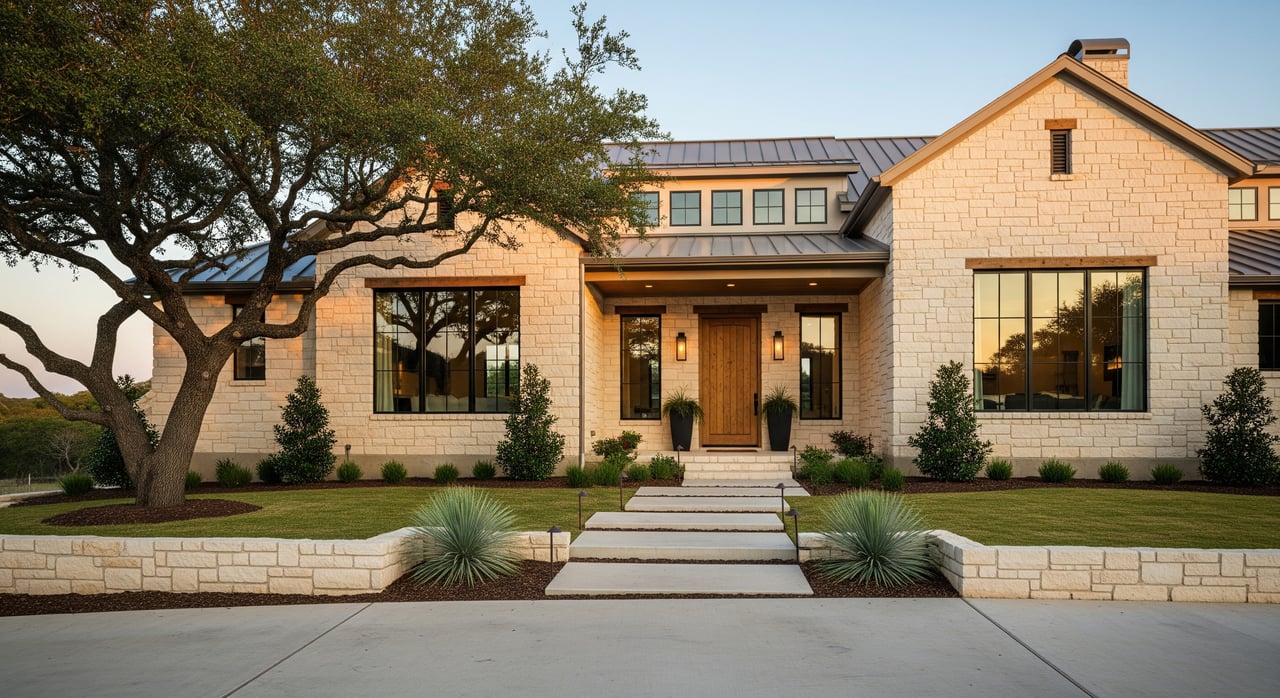
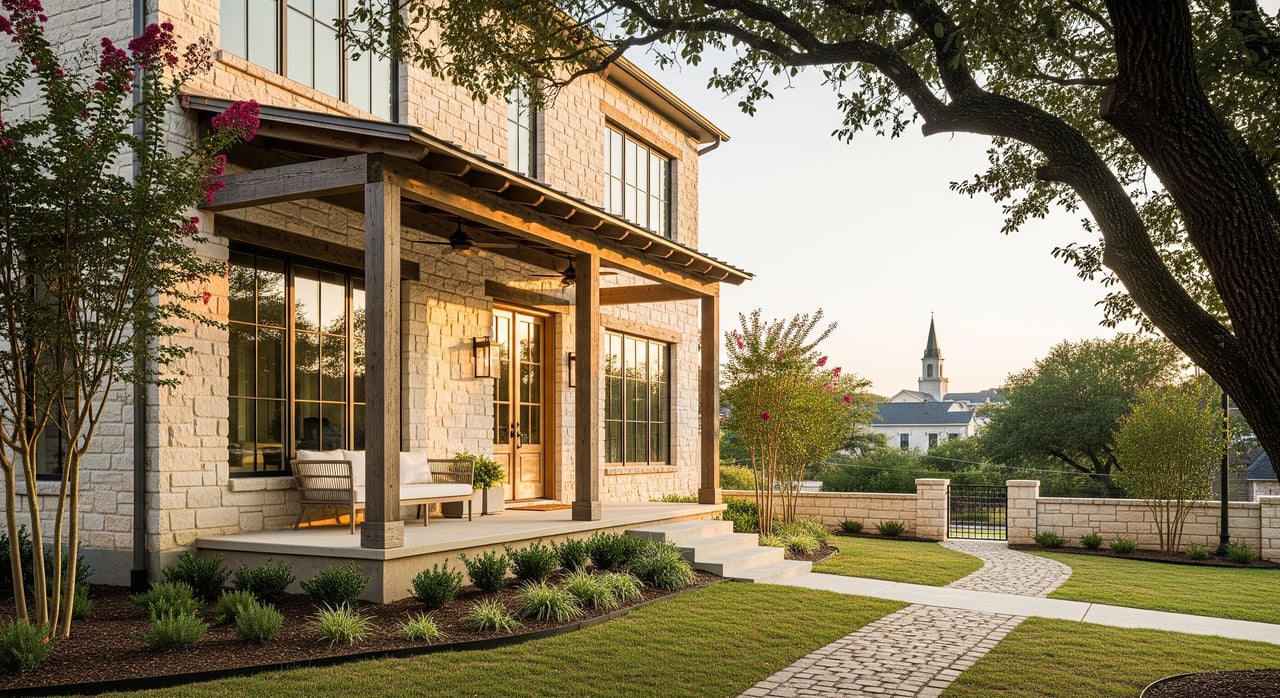
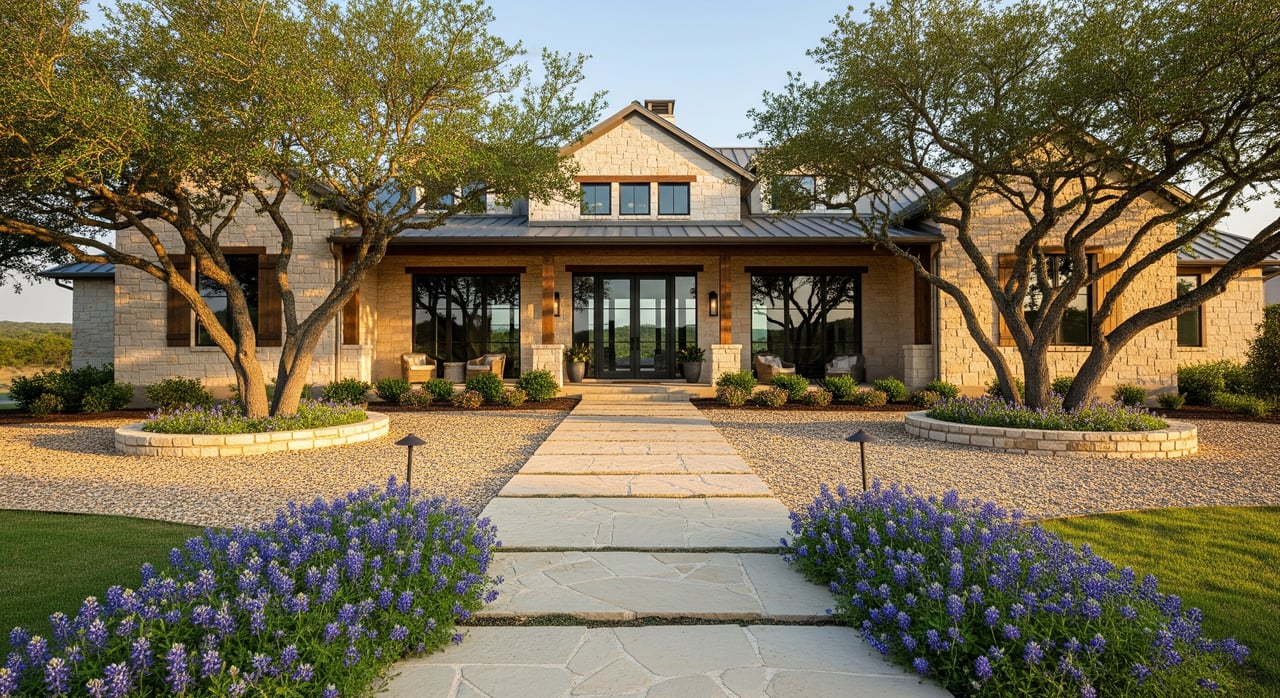
- Refresh curb appeal with mowing, mulch, and trimmed shrubs. Georgetown’s limestone and stucco exteriors shine with simple landscaping.
- Replace burned-out bulbs and broken covers. Test smoke and CO alarms and replace batteries to align with local safety codes.
- Re-caulk wet areas and touch up paint in high-traffic rooms.
Prove it with documentation
A clear, complete packet makes it easy for the appraiser to verify value-related details.
- Legal and disclosure
- Permits and inspections
- Include permits and finals for additions, major mechanicals, and roof work. If any work was completed without a permit, provide invoices, before-and-after photos, and any engineering letters.
- Systems and ages
- List the age, model, and serial numbers for HVAC units, water heater, major appliances included in the sale, and the roof replacement date if applicable.
- Foundation and structure
- Provide engineering reports, foundation repair contracts, transferable warranties, and photos documenting repairs.
- Pest and moisture
- Attach recent WDI reports and treatment records, plus any moisture or mold remediation reports.
- Energy and efficiency
- Receipts for insulation or window upgrades, smart thermostats, HVAC efficiency improvements, and any solar documentation.
- Survey and lot details
- Include a current survey or plat with easements and improvements. Note any encroachments that have been resolved.
- Living area (GLA)
- Provide a floor plan or prior appraisal sketch. Clarify borderline spaces such as enclosed patios or converted garages and include permits if they are counted in living area.
- HOA and community
- Provide HOA documents and fee schedules, plus amenity highlights that are relevant to market comparisons.
Special Georgetown considerations
Slab foundations and clay soils
Expansive clay is common in Williamson County. Seasonal moisture changes can create slab movement that shows up as cracks, doors out of square, or tile separations. Document any past work and current stability. Preventative steps like consistent drainage and gutter performance help reduce risk around the foundation.
Flood risk along the San Gabriel
Flood risk is parcel specific in areas near the San Gabriel River and Lake Georgetown. Check the FEMA Flood Map Service Center and include your flood zone determination in the documentation packet. If you have an Elevation Certificate, make it available.
Historic district rules
If your property is within Georgetown’s historic overlay, exterior changes may require a Certificate of Appropriateness. Share any approvals with the appraiser. You can review local rules through Planning & Development Services and the city’s Historic Preservation resources.
Prep timeline that works
Use this simple schedule to stay on track.
- Two weeks before listing, inspection, or appraisal
- Assemble your documentation packet. Schedule HVAC servicing and a WDI inspection. Tackle obvious safety fixes like GFCIs and leaks.
- One to four weeks before
- Complete major items such as roof or foundation work if needed. Secure permits and keep all invoices. Clean, declutter, and improve curb appeal.
- Day of appraisal or inspection
- Ensure all utilities are on. Provide easy access to the attic, garage, mechanical rooms, and electrical panels. Share gate codes and alarm instructions. Have your documentation packet ready, printed and digital.
What to have ready on appraisal day
- A one-page summary of upgrades with dates, costs, and permits.
- Engineer letters, warranties, and service records for foundation, roof, and HVAC.
- Survey, flood information, HOA documents, and any historic approvals.
- A tidy, well-lit home with all areas accessible, including exterior utility panels and attic entries.
Avoid common pitfalls
- Treating WCAD tax values as market value. Your tax assessment is separate from your sale appraisal. For tax information, go to WCAD, but rely on market data for pricing.
- Missing disclosures. Texas law requires a Seller’s Disclosure Notice. Use TREC’s guidance and disclose known issues to avoid delays.
- Counting unpermitted space as living area. If you enclosed a patio or converted a garage, provide permits and details. The appraiser may exclude unpermitted space.
- Poor drainage at the slab. Adjust downspouts and grading before the visit.
- Inaccessible areas. Make sure the attic, crawl spaces where applicable, and mechanical rooms are easy to access.
Final thoughts
Appraisers must follow standardized methods and market evidence. Your preparation focuses on what you can control: safety, functionality, documentation, and access. A clean home with clear records helps the appraiser understand your property, reduces repair conditions, and supports the best outcome the market will bear.
If you want a custom pre-appraisal walk-through tailored to your home and neighborhood, schedule a private consultation. You will leave with an action plan, a documentation checklist, and confidence before the appraiser arrives.
Ready to list with clarity and confidence? Schedule a Consultation with Unknown Company.
FAQs
What impacts a Georgetown appraisal the most?
- Market comps drive value, but your home’s condition, functionality, and documentation influence adjustments and the final condition rating under USPAP and Fannie Mae guidelines.
How do expansive clay soils affect my slab foundation?
- Expansive clay can cause slab movement that shows up as cracks or doors out of square; document any foundation repairs, keep engineer letters, and manage drainage away from the slab.
Do historic district rules affect my appraisal?
- If your home is in the historic overlay, exterior changes often require approvals; provide your Certificate of Appropriateness and permits from Planning & Development Services to avoid questions about compliance.
Is my WCAD tax value the same as a lender appraisal?
Should I get flood documentation if I live near the San Gabriel?