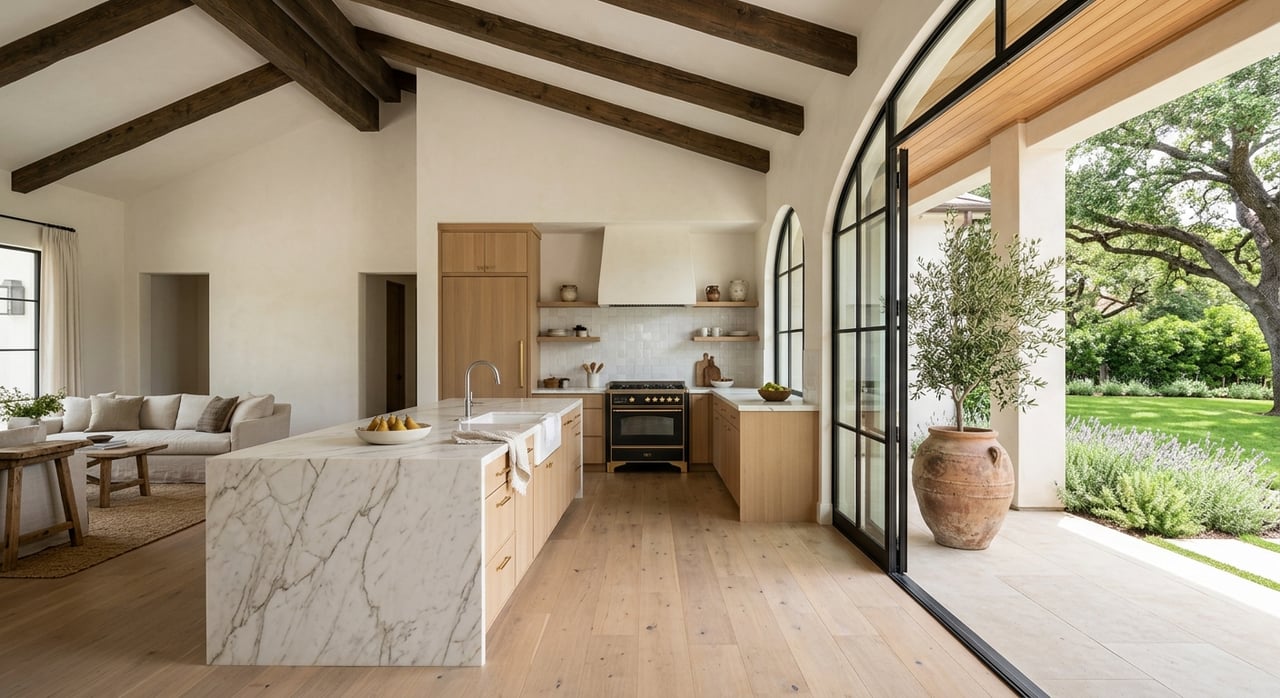
How to Prepare a Georgetown Luxury Home for Sale
June 11, 2026
June 11, 2026
Thinking about listing your Georgetown luxury home? In a market where buyers can compare every finish, photo, and floor plan from their phones, preparation matters more than ever. If you want to protect your home’s value and make a strong first impression, the right pre-listing plan can help you stand out before a buyer ever walks through the door. Let’s dive in.
In April 2026, Georgetown homes sold in about 88 days on average and received around one offer citywide. While that snapshot is not specific to the luxury segment, it does show that sellers cannot rely on timing alone to do the heavy lifting.
For an upper-mid or luxury home, buyers are likely to compare your property closely against others on condition, presentation, and online appeal. That means your home needs to look polished in person and perform well on screen.
Most buyers begin their home search online. According to NAR, 52% of buyers found the home they purchased online, and nearly half started there.
That matters because your listing launch is no longer just about putting a sign in the yard. It is about creating a complete visual story that helps buyers understand the home quickly and clearly.
The most useful online listing features are:
Photos are especially important. NAR reports that 83% of internet-using buyers said photos were the most useful feature, with floor plans, virtual tours, and video following behind.
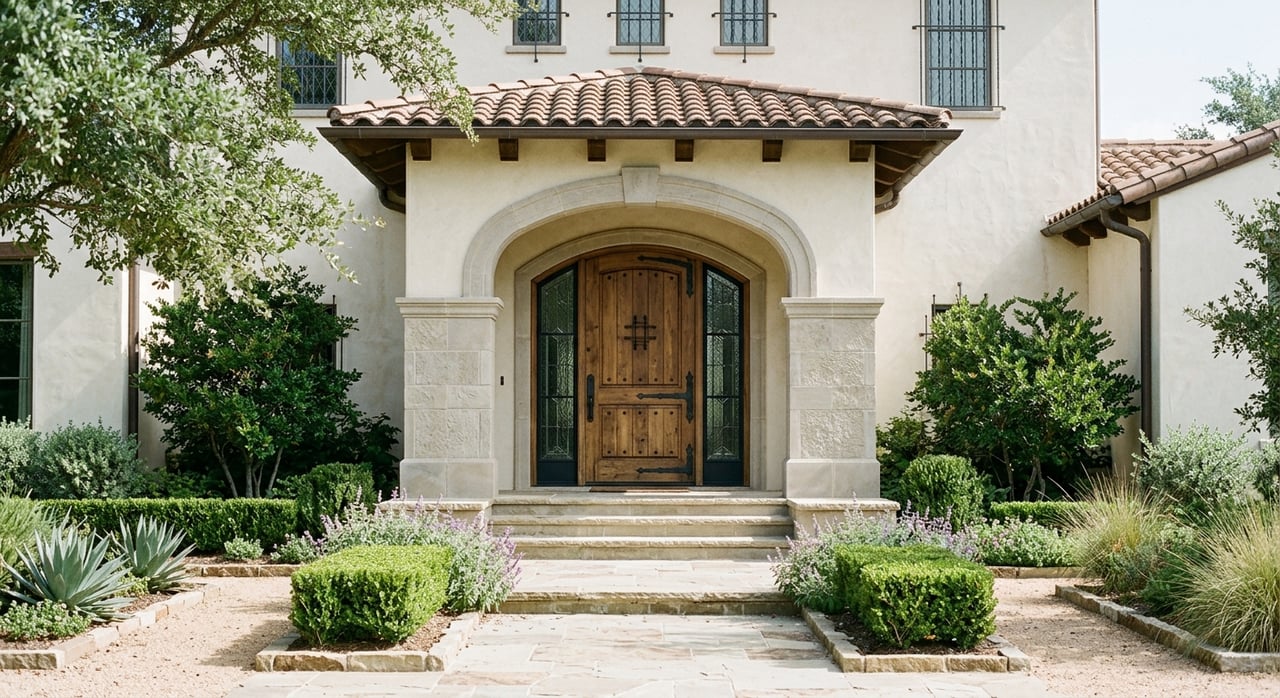
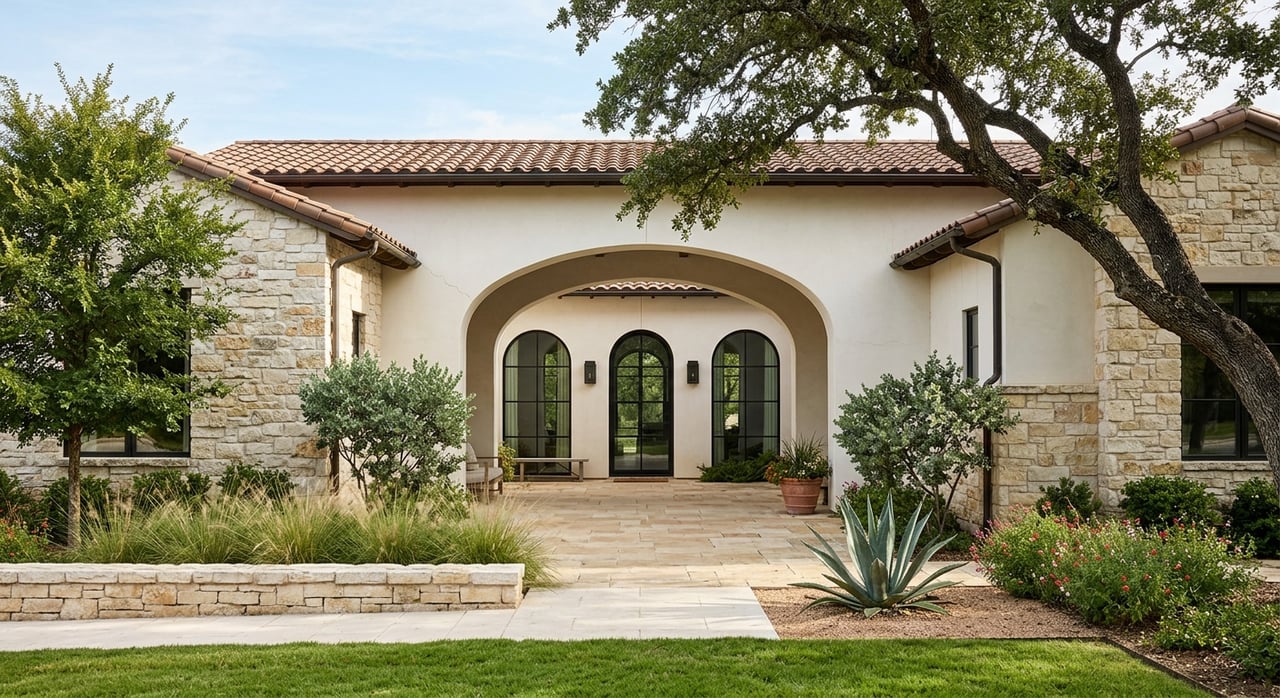
Before you think about staging the interior, start outside. Luxury buyers notice the approach to the home, the condition of the landscaping, and whether exterior spaces feel well maintained.
In Georgetown, curb appeal also overlaps with local code compliance. The city’s nuisance code prohibits weeds, rubbish, brush, and other unsightly or unsanitary matter from accumulating on a property. It also treats vegetation over 6 inches in developed areas as objectionable and requires owners to keep the strip from the property line to the curb clear.
That means your pre-listing checklist should include more than a quick mow. You should walk the full lot, edge visible areas, remove yard debris, and clear anything that makes the property feel neglected.
Use this checklist before photos and showings:
Georgetown’s Unified Development Code also prohibits open storage in residential districts, and limited outdoor storage is not allowed in a front yard or street yard. In practical terms, that means driveways, front porches, side yards, and garage-entry areas should be free of stored items before marketing begins.
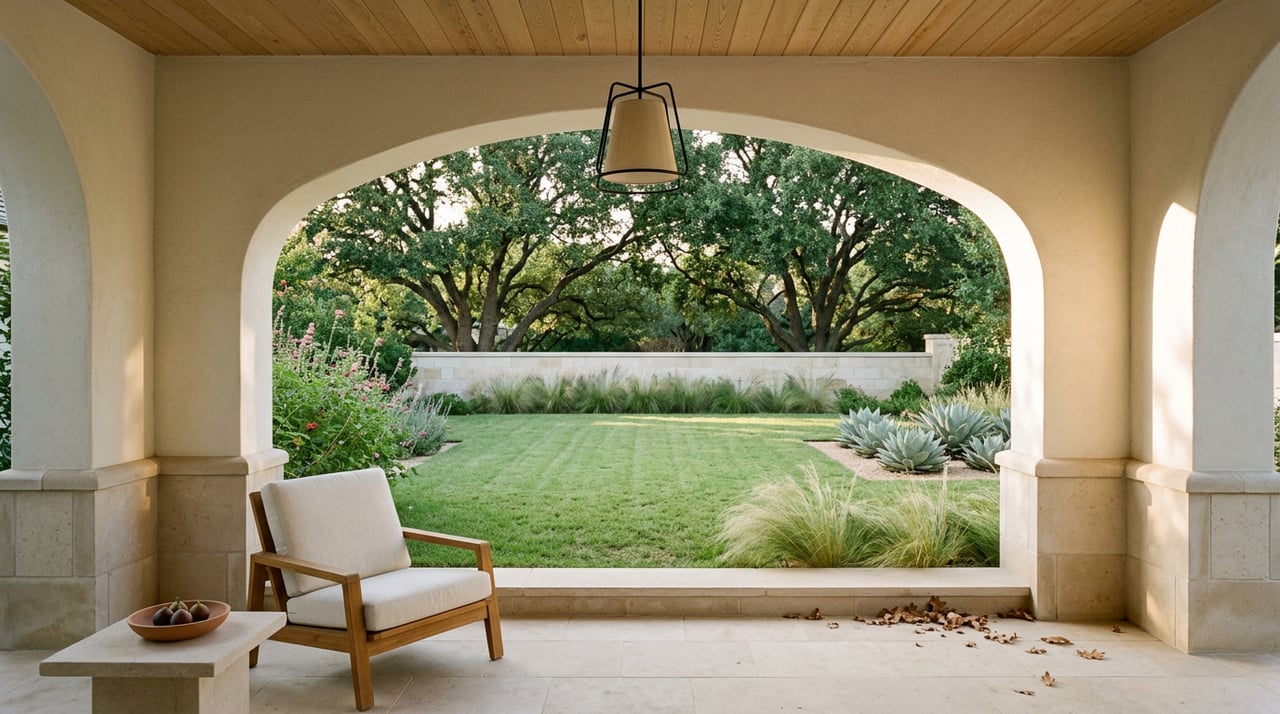
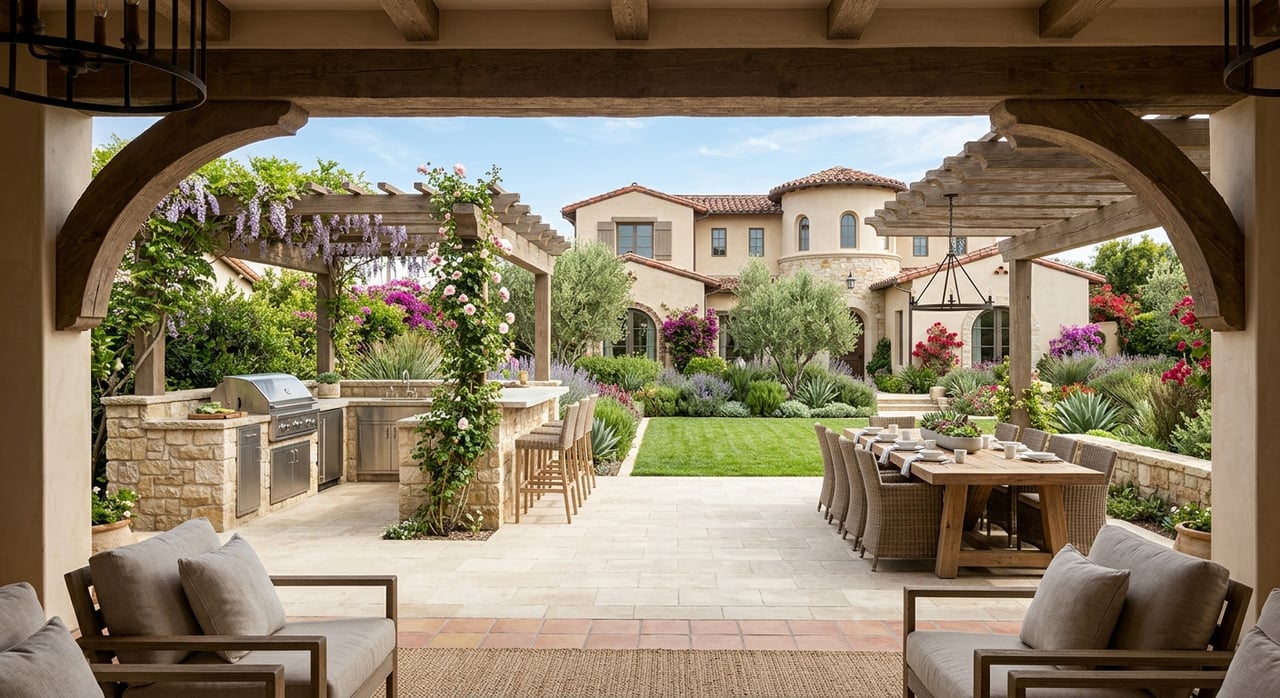
If your home has visible outdoor features like a pool terrace, covered patio, or golf-course-facing seating area, treat those spaces as part of the showing experience. Straighten furniture, clean cushions, and make sure the area reads as a lifestyle asset rather than a maintenance list.
Luxury presentation depends on healthy, orderly landscaping. Georgetown standards call for landscaped areas to maintain a neat appearance and remain free of refuse and debris.
If plants have died or beds look patchy, replace or refresh them before photography. Even small gaps in planting beds can make a well-built home feel under-edited in listing photos.
If your home is in a Historic Overlay District or is a designated landmark or National Register property, exterior changes may need review through a Certificate of Appropriateness process. This can affect updates such as repainting, windows, fencing, or other visible exterior work.
If you are considering last-minute exterior improvements, verify the rules before work begins. It is much easier to plan around review requirements than to delay your listing timeline later.
Inside the home, the goal is not to erase personality. It is to create space, flow, and clarity so buyers can focus on the home itself.
NAR’s consumer guidance frames staging as decluttering and styling, not remodeling. That is an important distinction, especially if you want the home market-ready without taking on a major project.
The most common improvement recommendations from sellers’ agents were:
For luxury properties, decluttering should feel intentional and selective. You are editing the home so its scale, finishes, and natural light take center stage.
Start by packing away items that distract from the architecture or make rooms feel smaller:
Cameras tend to magnify clutter and grime. Something that feels minor in person can become the first thing a buyer notices in a photo gallery.
Not every room needs the same level of attention. NAR’s 2025 staging research found that the rooms staged most often were the living room, primary bedroom, dining room, and kitchen.
That lines up with how buyers typically evaluate a home. These are the spaces where they imagine daily life, entertaining, comfort, and value.
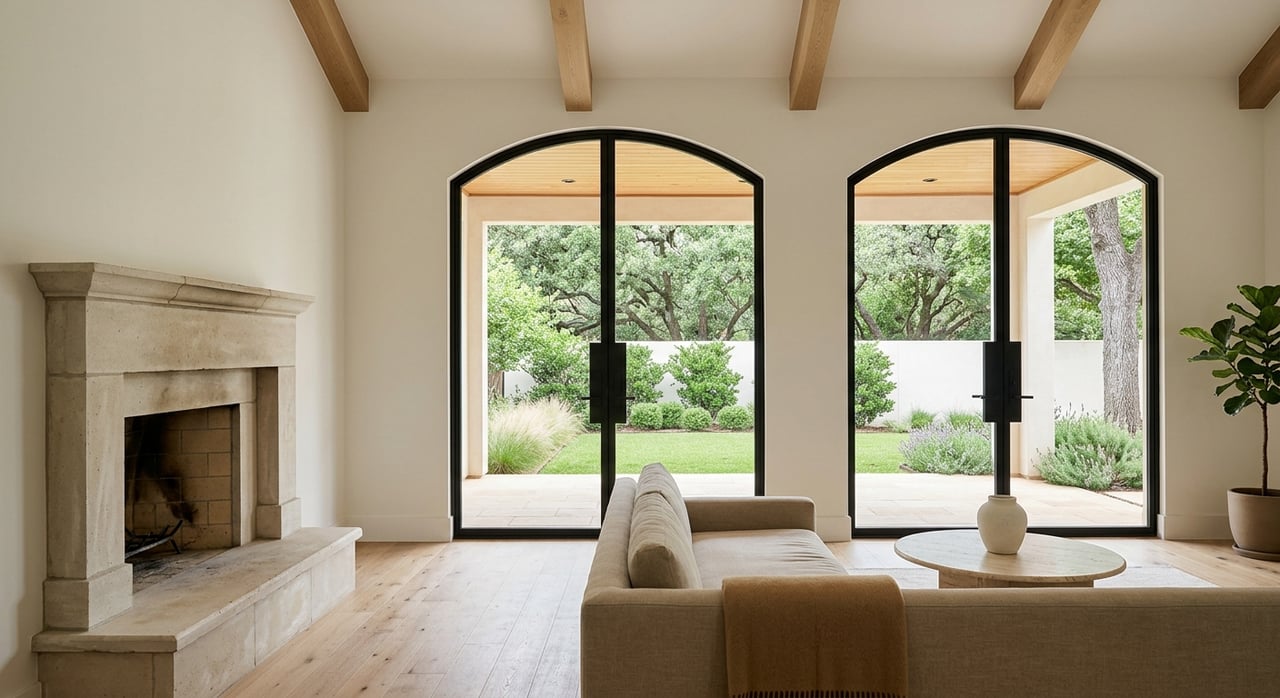
Your living room should feel open, bright, and easy to navigate. Pull furniture away from walls when appropriate, reduce visual clutter, and use a simple layout that highlights focal points like fireplaces, windows, or outdoor views.
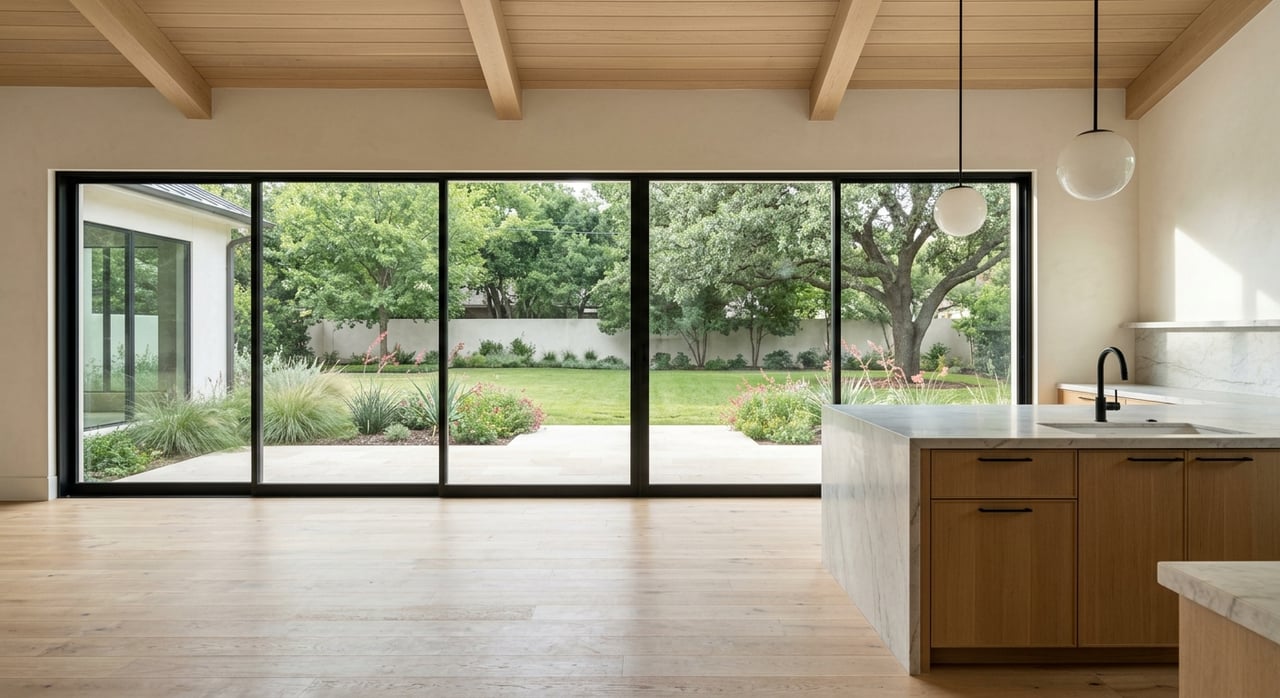
Clear counters almost completely. Leave only a few clean, upscale accents if they support the space, such as a bowl of fruit or a small tray, and make sure every surface is spotless.
Use fresh bedding, limit decor, and create a calm, restful feeling. If the room is large, keep enough furniture to show scale without crowding the space.
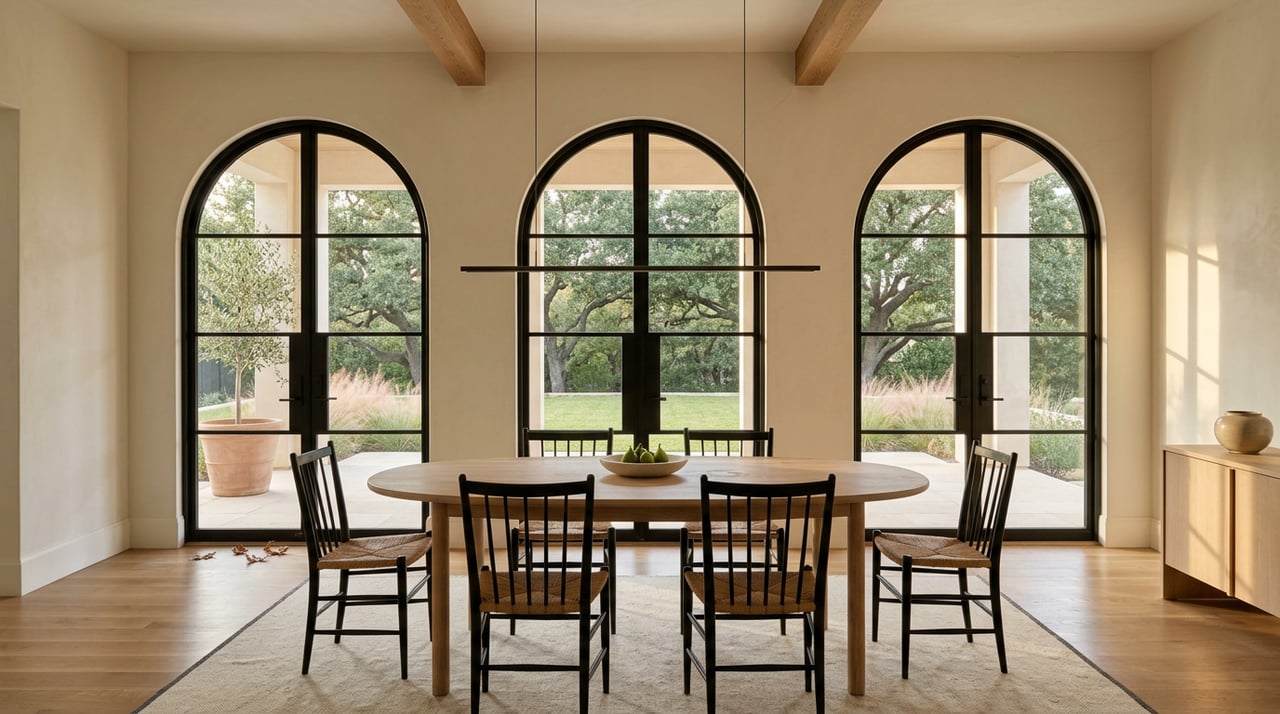
A dining room should feel inviting but not overstyled. A simple centerpiece and clean lines usually photograph better than layered decor.
Do not overlook the entry, hallways, mudroom areas, and stair landings. NAR specifically notes that high-traffic spaces should not be ignored, and they often shape a buyer’s first in-person impression.
Staging can help buyers connect with a home faster. NAR found that 83% of buyers’ agents said staging made it easier for buyers to visualize the property as a future home.
There may also be measurable upside. In NAR’s 2025 report, 29% of agents said staging led to a 1% to 10% increase in the dollar value offered, and 49% of sellers’ agents reported faster sales.
That does not mean every Georgetown luxury listing needs full-scale staging in every room. It does mean thoughtful staging can support both presentation and buyer confidence.
Here is a simple way to think about staging priorities:
| Priority | Focus |
|---|---|
| First | Living room, kitchen, primary bedroom |
| Second | Dining room, entry, outdoor entertaining areas |
| Third | Secondary bedrooms, office, bonus spaces |
NAR also reported a median staging-service cost of $1,500, compared with $500 when the seller’s agent handled staging internally. The right approach depends on your home, your timeline, and how much editing is needed before launch.
A polished listing starts before the photographer arrives. The ideal sequence is to complete repairs and staging first, then capture photography, video, virtual tours, and floor plans, then publish the listing.
This order matters because great media cannot fix unfinished prep. If a scuffed wall, burned-out light, or missing hardware appears in every asset, that issue becomes part of the home’s story online.
Before media day, consider knocking out small but visible issues such as:
For luxury homes, buyers often read deferred maintenance as a sign that larger issues may exist. A clean repair list helps support confidence.
Once the home is fully prepared, marketing assets should match the quality of the property. For Georgetown luxury listings, the digital package can be just as important as the physical presentation.
NAR reports strong buyer interest in photos, floor plans, virtual tours, and video. Interactive tours are especially useful because they help buyers understand how rooms connect and answer practical questions about layout and furniture fit.
A strong luxury launch often includes:
Floor plans deserve special attention. NAR notes that they are the most requested visual asset after listing photos, which makes them especially helpful for larger homes with multiple living areas or unique layouts.
If virtual staging is used, any material photo enhancements should be disclosed so buyers are not misled. Clear presentation builds trust from the start.
Before your home goes live, walk through it the way a buyer would. Start at the curb, move through the front door, and pay attention to what stands out first.
Ask yourself:
In a market where buyers often begin online and compare homes closely, those details can shape both interest and urgency.
Getting a Georgetown luxury home ready for market does not always mean a complete overhaul. More often, it means making smart, high-impact decisions about presentation, timing, and marketing.
When you focus on curb appeal, code-aware exterior cleanup, thoughtful decluttering, strategic staging, and premium media, you give your home the best chance to stand out. That is especially important in a market where buyers are selective and online impressions carry real weight.
If you are preparing to sell in Georgetown or anywhere in Williamson County, Martha Stclair offers a high-touch, strategic approach with polished marketing and local guidance designed for upper-mid and luxury homes.
Stay up to date on the latest real estate trends.

From first consultation to closing day, Martha StClair is committed to making the process seamless, transparent, and rewarding. Whether you’re seeking your dream home, selling with confidence, or investing in Austin’s thriving market, Martha provides the insight, care, and strategy to help you achieve your goals.