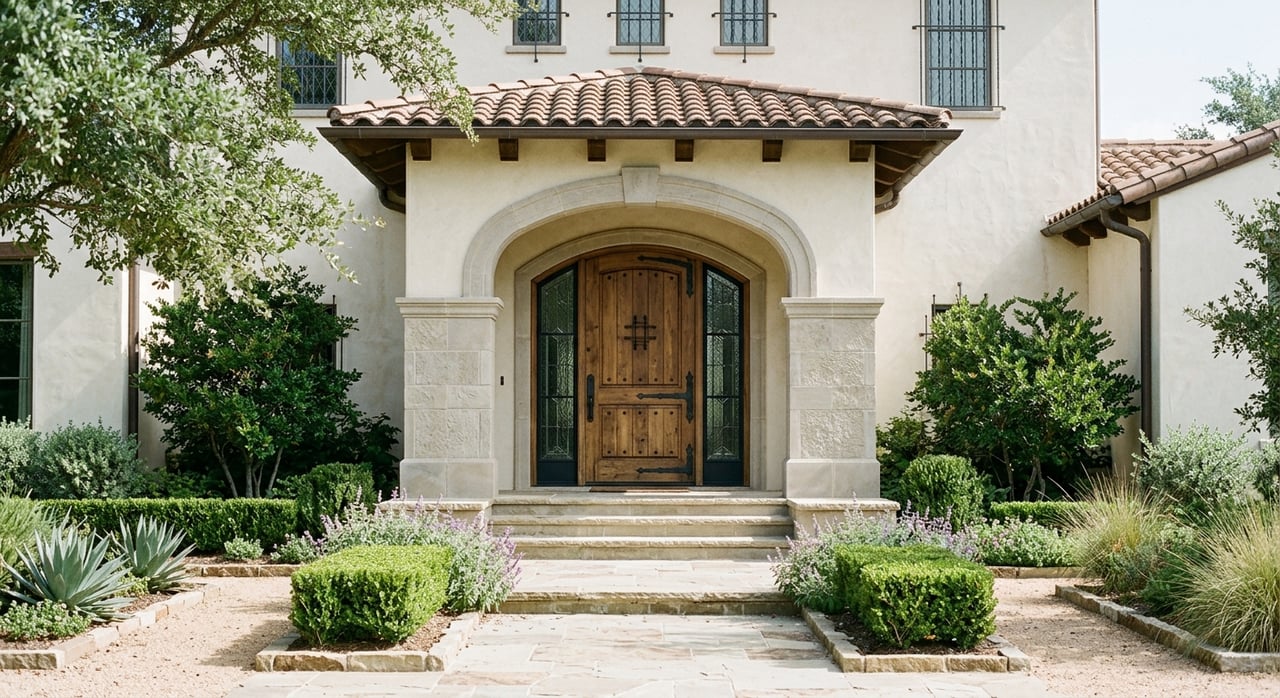
How to Price a Williamson County Luxury Home Well
June 25, 2026
June 25, 2026
Wondering why some Williamson County luxury homes attract strong interest quickly while others sit, stall, and chase the market down? If you are preparing to sell, pricing is likely the single decision that will shape your launch, your leverage, and often your final result. The good news is that a strategic price is not guesswork. It comes from reading the local data, understanding your exact competition, and positioning your home where qualified buyers will respond. Let’s dive in.
Luxury buyers are thoughtful, informed, and rarely in a rush to overpay. In Williamson County, current market conditions show that buyers still have options, which means your list price needs to feel credible from day one.
In May 2026, Williamson County recorded 3,722 active listings, 1,063 residential sales, and 4.2 months of inventory, according to Unlock MLS. The county also posted a 94.3% average close-to-list-price ratio, which suggests that pricing discipline matters.
For luxury sellers, countywide numbers are only the backdrop. Your buyer is usually comparing your home to other premium options across the broader Austin metro, especially in the $1 million and up category.
Texas REALTORS reported that the Austin-Round Rock-San Marcos area accounted for 19% of Texas million-dollar home sales, and that Austin metro $1M+ homes closed at 93% of original list price with a median closing price of $1.325 million. Redfin also reported an Austin metro luxury median sale price of $1.829 million and a median 57 days on market for the three months ending April 30, 2026.
The takeaway is simple. Your Williamson County luxury home should be priced against the regional luxury market and your immediate local competition, not against the county median sale price alone.
A strategic price begins with comparable sales that truly match your home. In the luxury segment, a broad radius or loose comparison can create a number that looks reasonable on paper but misses how buyers actually shop.
WCAD notes that comparable sales should be similar in quality, size, age, attributes, neighborhood, and market level transaction. That matters even more for high-end homes, where subtle differences can affect value in a meaningful way.
A home on a premium lot with mature trees, golf-course frontage, a view, or a more private setting may compete in a different tier than a similar-sized home a few streets away. Builder reputation, finish level, floor plan livability, and the quality of updates can also shift buyer perception fast.
This is why micro-neighborhood pricing matters in places like Georgetown, Round Rock, Cimarron Hills, and other Williamson County luxury enclaves. The right price is usually built from the closest and most relevant sold data first, then checked against current active competition.
Many sellers look at their property tax notice and assume it should anchor their list price. It is understandable, but that number serves a different purpose.
The Texas Comptroller explains that appraisal notices summarize appraised and taxable values, while the appraisal district determines value and local taxing bodies set tax rates. In other words, an appraisal district value can be one data point, but it is not a market-ready list price recommendation.
If you build your launch price around a tax value alone, you may miss what current buyers are actually paying for homes like yours right now. Strategic pricing is based on current market behavior, not just an assessed figure on paper.
Luxury sellers often invest heavily in their homes, and that investment absolutely affects marketability. Still, your renovation budget does not automatically translate into an equal price increase.
Texas REALTORS found that more than half of REALTORS said recent renovations made a property easier to market. At the same time, 11% said a remodel made a home harder to sell.
That may sound surprising, but it makes sense. Some updates improve function, style, and buyer appeal. Others are highly personal, out of step with current preferences, or priced into the home beyond what the market is willing to reward.
The practical lesson is to evaluate your home the way a buyer will. Condition matters almost as much as square footage in the upper tier, but the market decides which improvements add pricing power and which simply help your home compete.
One of the biggest pricing mistakes in Williamson County is ignoring nearby new construction. In many parts of Central Texas, buyers considering resale luxury homes are also touring new builds.
Texas REALTORS reported that 30% of Texas homebuyers chose new construction in 2025, which was twice the national rate. That is a meaningful signal for local sellers.
If a buyer can purchase a newly built home nearby with current finishes, energy efficiency, builder incentives, and little immediate maintenance, your resale home needs a clear pricing story. That does not mean you must undercut every new build. It means your value should be obvious.
When setting price, compare your home to:
This is especially important for sellers in neighborhoods where inventory includes both established custom homes and newer luxury product.
It is tempting to leave room to negotiate by starting high. In a more forgiving market, that can sometimes work. In a price-sensitive market with active competition, it often backfires.
Current Williamson County and Austin metro data points support a more disciplined approach. With 4.2 months of inventory in Williamson County, a 94.3% close-to-list ratio countywide, and Austin metro luxury homes taking a median of 57 days to sell, buyers appear willing to wait, compare, and push back on pricing that feels aspirational.
Texas REALTORS also found that 75% of respondents had at least one seller who believed the home was worth at least 10% more than the agent’s market analysis. Yet only 7% of those homes sold at the higher price.
That is the heart of strategic pricing. Testing the market too high can reduce urgency, weaken your first impression, and lead to later reductions that make buyers wonder what was missed at launch.
A smart pricing plan is not about picking the highest possible number. It is about choosing the number that gives your home the best chance to attract serious buyers while protecting value.
Start with recent sold homes that closely match your property in location, size, age, quality, lot appeal, and overall condition. In luxury pricing, the closest match is usually more useful than a larger sample of less similar homes.
Buyers decide in the present, not the past. Your price has to make sense next to the homes they can tour right now, including both resale and new construction.
In Williamson County, small location differences can carry outsized pricing impact. A golf-course view, water feature, cul-de-sac setting, greenbelt privacy, or walkable access to community amenities can influence perceived value.
Presentation and condition shape buyer reactions immediately. If your home is beautifully updated and move-in ready, that can support stronger pricing. If finishes feel dated compared with competing homes, the price should reflect that reality.
The current data supports launching close to where the market is likely to respond. That creates a stronger first impression and can help you avoid the cycle of sitting, reducing, and negotiating from a weaker position.
Once your home is live, track showing activity, buyer feedback, and how the market shifts around you. Price changes should be based on real evidence, not frustration or hope.
Even a strong home can struggle if the pricing is not aligned with the market. Watch for these common signals early.
These signs do not always mean a large adjustment is needed. Sometimes the answer is a refined presentation strategy. But often, pricing is the first place to look.
The goal is not to be the cheapest home on the market. The goal is to be the home that feels best aligned with its value in the eyes of qualified buyers.
When your price reflects current sold data, active competition, new-build alternatives, and the specific strengths of your property, you create better conditions for a strong sale. In today’s Williamson County luxury market, that disciplined approach often protects value better than an ambitious launch price.
If you are preparing to sell a luxury home in Georgetown or anywhere in Williamson County, a tailored pricing strategy can make all the difference. For thoughtful guidance, local market insight, and white-glove representation, schedule a consultation with Martha Stclair.
Stay up to date on the latest real estate trends.
From first consultation to closing day, Martha StClair is committed to making the process seamless, transparent, and rewarding. Whether you’re seeking your dream home, selling with confidence, or investing in Austin’s thriving market, Martha provides the insight, care, and strategy to help you achieve your goals.