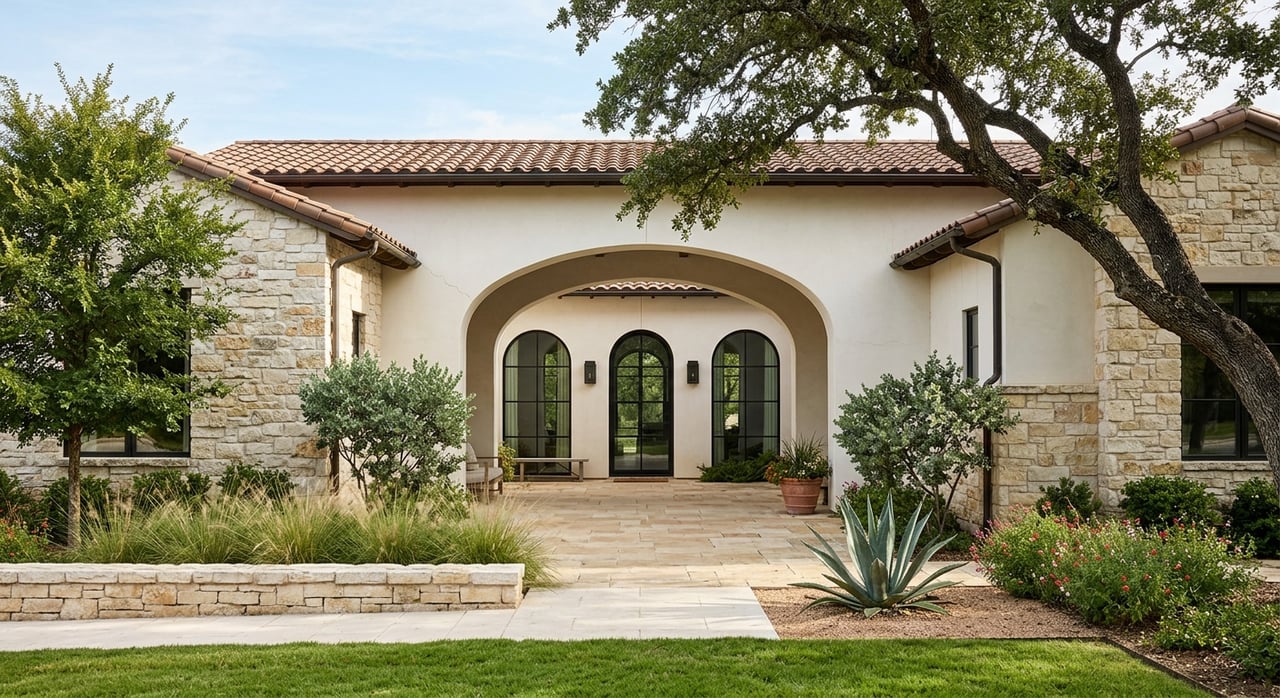
Georgetown TX New-Build vs Historic Homes
June 4, 2026
June 4, 2026
Wondering whether a new-build or a historic home makes more sense in Georgetown? You are not alone. In a fast-growing city with a preserved historic core, this decision is about more than age or style. It is about how you want to live, what kind of upkeep you can handle, and how comfortable you are with future rules and renovation limits. If you are weighing both options, this guide will help you compare them with more clarity. Let’s dive in.
Georgetown has been growing quickly, which makes housing choices feel more important and more personal. Census estimates place the city at 101,344 people in 2024 and 106,907 in 2025, up from 67,176 in 2020. In that same setting, the median owner-occupied home value is $429,100.
That growth supports demand for a wide range of homes. At the same time, Georgetown has a preserved historic core with Historic Overlay, Downtown Overlay, and Old Town Overlay areas, along with National Register districts such as Olive Street, Williamson County Courthouse, Belford, and University-Elm. In short, Georgetown gives you two very different paths that can both be appealing.
A new-build often appeals to buyers who want a clean, modern starting point. In Georgetown, that can mean newer systems, more predictable energy performance, and fewer immediate repair projects. For many buyers, that simplicity lowers stress during a move.
The U.S. Department of Energy says certified Efficient New Homes are built to rigorous standards for energy savings, comfort, health, and durability. DOE guidance also recommends planning for energy efficiency from the start, which is one reason new construction can feel more straightforward. If you want a home that may need fewer updates right away, this can be a strong advantage.
For relocation buyers and move-up buyers, this can be especially attractive. If you want to settle in quickly without taking on a renovation plan, newer construction may fit your goals better.
Many newer Georgetown neighborhoods are organized through homeowners associations. The city’s HOA map includes communities such as Georgetown Village HOA, La Conterra Homeowners Association, Sun City Community Association, Berry Creek HOA, and The Falls of San Gabriel HOA.
That kind of planned setting can be a plus if you like structure and shared neighborhood standards. It also means you should review HOA rules, dues, and amenities carefully before you buy. A home can look perfect on paper, but the neighborhood rules need to fit your lifestyle too.
If you are drawn to character, mature streetscapes, and a more established neighborhood feel, Georgetown’s older homes may stand out. The city’s historic core has served as the community’s cultural center for more than 170 years. That history is a big part of what makes certain parts of Georgetown feel so distinct.
In Old Town, the city’s guidelines describe an area intended to remain primarily residential, with pedestrian orientation and lower traffic volumes on neighborhood streets. The district includes decades of residential development, with homes that vary in age, style, and size. For many buyers, that variety is a major part of the appeal.
If you care about charm and a stronger sense of place, an established home may offer something a new-build cannot easily replicate. You may be choosing less uniformity and more personality.
Historic and established homes can offer more visual interest, but they can also come with more review and planning. Georgetown’s code says a building permit cannot be issued for a building or structure in a Historic Overlay District until it has been reviewed and approved by the Historic and Architectural Review Commission or the Historic Preservation Officer, as applicable.
That matters if you hope to make exterior changes, additions, or certain repairs. Demolition of historic landmarks or contributing structures can also trigger a 60-day demolition delay period. If you like flexibility and want to make fast changes after closing, this is something to understand early.
This does not mean a historic purchase is harder in every case. It means you should go in with a clear plan and realistic expectations.
With an older home, inspection and upgrade planning become even more important. DOE notes that older homes may have inadequate insulation. It also notes that heating and cooling systems older than 15 years may merit replacement with newer, energy-efficient units.
A home energy assessment can help identify where a home is losing energy. That can be useful if you love the location and character of an older property but want a better sense of future costs. The right home may still be a great fit, but you should budget for improvements instead of assuming everything will perform like a newer house.
If you are buying a property that is at least one year old and planning eligible rehabilitation work, HUD’s Section 203(k) program can finance both the home and the rehabilitation work. For some buyers, that opens the door to a home with strong potential.
One of the easiest ways to decide is to focus less on the house itself and more on how you want your daily life to feel. Newer neighborhoods often feel more planned and uniform. Historic and established areas often feel more layered and less predictable.
Neither is better across the board. The better fit depends on what matters most to you.
Resale is never guaranteed, but buyer demand usually follows lifestyle fit. Georgetown’s growth supports interest in turn-key, efficient housing. At the same time, the preserved downtown and Old Town fabric supports interest in homes with character, walkability, and an established setting.
The better resale question is often this: which buyer pool will your home appeal to later? A newer home may attract buyers who want convenience and efficiency. A historic or established home may attract buyers who value charm, location, and a more distinctive neighborhood feel.
If you are torn, narrow your decision around three things: maintenance tolerance, neighborhood feel, and future change. That framework usually brings the answer into focus faster than comparing finishes alone.
Ask yourself these simple questions:
In Georgetown, a new-build usually offers a cleaner starting point. A historic or established home usually offers more character, but also more process. The right choice is the one that fits how you want to live, not just what looks best in listing photos.
If you want tailored guidance on Georgetown neighborhoods, historic areas, or newer communities in Williamson County, Martha Stclair offers a high-touch, local-first approach to help you compare options with confidence.
Stay up to date on the latest real estate trends.

From first consultation to closing day, Martha StClair is committed to making the process seamless, transparent, and rewarding. Whether you’re seeking your dream home, selling with confidence, or investing in Austin’s thriving market, Martha provides the insight, care, and strategy to help you achieve your goals.